Honouring the Circle: Staying Connected, Growing Together 2026 to 2027 Calendar by the BC Committee for the Advancement of Native Employment
PDF Version (3.94 MB, 32 pages)
On this page
- Messages from Indigenous Services Canada Senior Management
- Recruitment and Retention
- Contributing to a Positive and Respectful Relationship
- BC CANE Executives
- Vern Bob
- Isabelle (Izzy) Foy
- Ashley Blom
- Former Indigenous Students at ISC
- Gina Coates
- Jasmine Hurren
- Jessica Hamilton
- Ellen Lisa Barton
- Eric Mancewich
- Cheyenne Gegenfurtner
- BC CANE Members
- History of the calendar
Messages from Indigenous Services Canada Senior Management
We are pleased to celebrate the 20th anniversary of this publication and to congratulate the Committee for the Advancement of Native Employment (CANE) in the BC Region for their continued leadership and dedication.
This year's theme, Honouring the Circle: Staying Connected, Growing Together, reflects the deep values of Indigenous cultures. The circle symbolizes unity, continuity, and the interconnectedness of people, communities, and teachings. These values — collaboration, relationship-building, and shared responsibility — are also central to the public service and to the work of Indigenous Services Canada (ISC).
We honour the contributions of Indigenous public servants, whose strength, knowledge, and commitment continue to shape a more inclusive and responsive public service.
As we reflect on this milestone, we reaffirm our commitment to walking this path together — honouring the past, embracing the present, and building a future grounded in mutual respect, partnership, and shared growth.
Together, we stay connected and grow.
Philippe Thompson
Chief Operating Officer and Senior Assistant Deputy Minister
Regional Delivery Sector
Jennifer Wheatley
Assistant Deputy Minister
Regional Delivery Sector
As we mark the 20th anniversary of the BC CANE Calendar, I extend my heartfelt congratulations to committee members past and present, who, since 2005, have worked tirelessly to highlight the talents, diversity and successes of Indigenous employees. The leadership of CANE Executives and committee members in BC Region is a powerful reminder of the remarkable contributions Indigenous employees continue to make across the public service.
I also wish to express deep gratitude to everyone who dedicated their time, expertise, and support in bringing this calendar to life. Your efforts embody the spirit of Honouring the Circle: Staying Connected, Growing Together — a theme that reflects our shared commitment to reconciliation, representation, and empowerment within the workplace.
This calendar symbolizes the strength of our collective journey. It highlights how Indigenous voices, perspectives, and cultural knowledge enrich the public service, while reinforcing the importance of recruitment, retention, and mentorship. By staying connected and sharing experiences, we grow together, building workplaces where inclusivity and respect are not only valued but lived.
As we turn each page, let us celebrate the progress achieved over the past two decades and recognize the work that still lies ahead. I remain committed to engaging with new employees and students to understand their aspirations and to ensure they feel supported. Beyond recruitment, it is vital that we nurture environments where Indigenous employees can thrive, contribute, and pass on their wisdom to future generations.
On this milestone anniversary, I wish you all a year filled with inspiration and growth. Together, we honour the circle, strengthen our connections, and continue to transform the public service into a place where Indigenous identity, culture, and community values are celebrated and respected.
Allyson Rowe
BC CANE Champion and
Regional Director General, BC Region
Recruitment and Retention
Programs for Students
The Federal Student Work Experience Program (FSWEP) is the Government of Canada's primary student recruitment program. It provides full-time high school, college, and university students with opportunities to gain paid work experience in federal departments and agencies across the country.
Students apply through a central inventory, and hiring managers use this pool to match candidates to short- term or seasonal positions.
The Indigenous Student Employment Opportunity (ISEO) is a program for students who self-declare as Aboriginal (Indigenous) and are currently employed by the federal public service.
The program features support for onboarding, a mentorship program, workshops, and support services culturally designed for both students and managers/supervisors.
The Employment Opportunity for Students with Disabilities (EOSD) is a Canadian government initiative connecting students with disabilities to federal jobs, offering tailored support, events, mentorship, and onboarding for a diverse, inclusive workforce, often linked through programs like the Federal Student Work Experience Program (FSWEP) for co-op/internship students. Students must be full-time and self-declare as having a disability when applying for relevant opportunities on GCjobs to access these specific streams, which provide valuable experience and pathways to federal careers.
The Post-secondary Co-op/Internship program is specifically designed to provide post-secondary students with work opportunities related to their field of study and offer them the opportunity to use their academic knowledge in the workplace. There are two requirements for eligibility for co-op/internship program opportunities. To be eligible, students must meet minimum age requirement to be employed, always be registered as a full-time student at an accredited academic institution and be returning to full-time studies in the next academic term.
For more programs and information, please visit: Public service student recruitment programs.
You can also use GC Jobs Government of Canada jobs for Indigenous people to find federal job opportunities. You can tailor your job search in a number of ways including preferred work locations, salary, and types of job postings.
Regional Recruitment Initiatives
The Aboriginal Centre of Expertise establishes partnerships, raises awareness, and provides guidance and support to Indigenous employees within the public service.
A Memorandum of Understanding signed by the BC Federal Council and the First Nations Public Service Secretariat marks a beginning of collaboration and capacity-building to bring awareness, expertise and mentorship to Indigenous and non-Indigenous public servants.
The Indigenous Intern Leadership Program (IILP) is a joint initiative of the Business Council of British Columbia, the British Columbia Assembly of First Nations and Vancouver Island University.
Indigenous graduates from the twenty five post- secondary institutions in British Columbia are encouraged to apply for meaningful work through internship positions that match your skills and professional interests.
Contributing to a Positive and Respectful Relationship
Although Indigenous peoples are forming a growing segment of the Canadian population, and are playing an increasingly important role in Canada's social and economic development, many Canadians are not very familiar with Indigenous issues.
BC CANE plays an important role in helping raise awareness about Indigenous issues, culture and history in the public service. The committee encourages colleagues to engage in continuous learning about Indigenous peoples in Canada by organizing learning sessions. We invite Indigenous speakers from different backgrounds to share their knowledge of the history, values, customs, aspirations, beliefs and diversity of the First Nations in BC, as well as the issues facing them today. We also share resources with public servants to help them communicate and work effectively with Indigenous communities, and to increase the respect for, and understanding of, Indigenous cultures and values.
The following pages show examples of the information we share with our colleagues.
Quick Facts
- In 2021, 5.9% of BC population (290,210 individuals) identified as Indigenous
- In 2021, 39% of First Nations people with Registered or Treaty Indian status in BC lived on reserve
- BC has more than 50% of Canada's First Nations languages
- BC has 34 First Nations languages representing seven of Canada's 11 distinct, unrelated language families
- Languages Indigenous to other parts of Canada are also spoken in BC
Selection of Key Historical Events
Some of these historical events may be upsetting or triggering. For support, Indigenous peoples can access the Hope for Wellness Help Line at 1-855-242-3310 or connect to the online chat.
- 12,000 BC
- A Heiltsuk village site on BC's mid-coast is established. The village site is three times as old as the Great Pyramid at Giza and among the oldest human settlements in North America.
- 6000 BC
- The village of səw̓q̓weqsən was established at the mouth of the Fraser River, demonstrating a long- standing presence and connection to the land.
- Before Contact
- First Nations in BC had well-established cultures, economies, and governments, with the land being home to one of the densest and most linguistically diverse populations in Canada.
- 1763
- October 7: Royal Proclamation on Indian Rights; sometimes called the Indian Magna Carta. This was the first time a government recognized that Indigenous people had certain rights to the land because they were the first ones to live on it.
- 1844
- October 21: Louis Riel, future Métis leader, was born.
- 1850 to 1854
- The following historical treaties in British Columbia were signed:
- April 29, 1850: Douglas Treaty No. 1 was signed with the Teechamitsa (Songhees).
- April 30, 1850: Douglas Treaties No. 2-6 were signed with the Kosampson (Esquimalt), Swengwhung (Songhees), Chilcowitch (Songhees), Whyomilth (Songhees) and Chekonein (Songhees).
- May 1, 1850: Douglas Treaties No. 7-9 were signed with the Soke (Sooke), Kakyaakan (Beecher Bay) and Chewhaytsum (Beecher Bay).
- February 8, 1851: Douglas Treaties No. 10-11 were signed with the Queachkar (Kwakiutl) and Quakeolth (Kwakiutl).
- February 7, 1852: Douglas Treaty No. 12 was signed with the South Saanich (Malahat).
- February 11, 1852: Douglas Treaty No. 13 was signed with the North Saanich (Tsawout, Pauquachin, Tseycum, Tsartlip).
- December 23, 1854: Douglas Treaty No. 14 was signed with the Saalequun (Nanaimo, Nanoose).
- 1867
- July 1: Canada became a nation.
- 1876
- April 11: The Indian Act was passed to regulate Indians and their lands.
- 1885
-
- January 1: The Potlatch Law declared anyone engaging or assisting in a potlatch ceremony was guilty of a misdemeanour.
- November 16: Louis Riel was hanged in Regina for treason. He was later exonerated of this charge and officially recognized as a founder of the Province of Manitoba. November 16 is widely regarded as Louis Riel Day in the Métis Nation.
- 1899
- June 21: The original Treaty No. 8 was signed at Lesser Slave Lake with the Cree.
- 1949
-
- March 24: Indians were granted the right to vote in provincial elections.
- June 15: Nisga'a Chief Frank Calder was elected to the BC legislature.
- 1951
- June 20: The Indian Act was amended for the first time to allow First Nations to organize for a land claim and be admitted to university without being enfranchised (losing status rights).
- 1958
- January 31: James Gladstone, a member of the Blood Tribe in Alberta, was appointed to the Canadian Senate. He is Canada's first Indigenous Senator.
- 1960
- March 31: Indians were granted the right to vote in federal elections.
- 1966
- June 16: Department of Indian Affairs was formed by Act of Parliament.
- 1971
- October 19: A federal court decided that status Indian women who married Non-status Indians would no longer lose their status and rights as Indians.
- 1973
- February 22: The Calder Decision: the Supreme Court of Canada ruled that the Nisga'a held Aboriginal title before settlers came but the judges were split evenly on land title.
- 1977
- April 10: Willie Adams of Rankin Inlet was appointed Senator for the Northwest Territories and became the first Inuit to sit in the Senate.
- 1981
- April 26: The World Council of Indigenous Peoples declared the International Covenant on the Rights of Indigenous Peoples.
- 1985
- June 28: Parliament passed Bill C-31 – it removed sections of the Indian Act that treated First Nations women unfairly; the change allowed thousands of First Nations people to regain their Indian status.
- 1990
- Sparrow Case affirmed Aboriginal fishing rights.
- 1992
- September 21: Agreement establishing the BC Treaty Commission was signed by Prime Minister Brian Mulroney, and Premier Mike Harcourt, and First Nations Summit representatives.
- 1994
- June 8: National Aboriginal Veterans Day was first observed on this day to honour the contributions and sacrifices of those serving in military and peace operations at home and abroad.
- 1996
-
- June 13: The Governor General of Canada proclaimed June 21 to be National Aboriginal Day: a time for all Canadians to recognize the diverse cultures and outstanding contributions of First Nations, Inuit and Métis peoples.
- November 21: The final Report of the Royal Commission on Aboriginal Peoples was released. Its 440 recommendations called for sweeping changes to the relationship between Aboriginal and non- Aboriginal people and governments in Canada.
- 1997
- December 11: Delgamuuxw Supreme Court decision.
- 1999
- April 1: Canada formally created the territory Nunavut.
- 2000
- April 13: Nisga'a treaty was officially ratified.
- 2007
- September 19: The Indian Residential Schools Settlement Agreement, which included the Independent Assessment Process (IAP), was implemented. The IAP is a claimant-centred, non- adversarial, out-of-court process for the resolution of claims of sexual abuse, serious physical abuse, and other wrongful acts suffered at Indian Residential Schools.
- 2008
- June 11: The Government of Canada delivered a statement of apology to the former students of the Indian Residential Schools system.
- 2009
- April 3: Tsawwassen First Nation treaty took effect as the first modern treaty negotiated under the British Columbia Treaty Commission process.
- 2010
- June 16, 2010 to March 30, 2014:
The Truth and Reconciliation Commission held seven national events across Canada. These events educated and engaged the public in dialogue on the history of the Indian Residential Schools system, the experiences of former students and their families, and the ongoing legacy of the institutions within communities. - 2011
- April 1: Maa-nulth First Nations treaty took effect as the second modern treaty negotiated under the BC Treaty Commission process.
- 2013
- October 1: The British Columbia First Nations Health Authority (FNHA), the first of its kind in Canada, assumed control of the programs, services, and responsibilities previously handled by Health Canada's First Nations Inuit Health Branch (FNIHB) – Pacific Region.
- 2014
-
- June 25: The Supreme Court of Canada granted declaration of Aboriginal title to more than 1,700 square kilometres of land in British Columbia to the Tsilhqot'in First Nation.
- October 24: BC Premier Christy Clark apologized for the wrongful hanging of six Tsilhqot'in Chiefs in 1864-1865 and confirmed that the Chiefs were fully exonerated for any crime or wrongdoing.
- 2015
- June 2: The Truth and Reconciliation released its report, titled Truth and Reconciliation Commission of Canada: Calls to Action, containing 94 recommendations for redressing the legacy of residential schools and advancing the process of Canadian reconciliation.
- 2016
-
- April 5: Tla'amin treaty took effect.
- May 10: Canada becomes a full supporter, without qualification, of the United Nations Declaration on the Rights of Indigenous Peoples.
- 2017
-
- June 21: National Aboriginal Day was officially renamed to National Indigenous Peoples Day.
- July 14: The Government of Canada released a set of Principles Respecting the Government of Canada's Relationship with Indigenous Peoples that will guide the review of laws, policies and operational practices and form a foundation for transforming how the federal government partners with and supports Indigenous peoples and governments.
- 2018
- November 2: Prime Minister Justin Trudeau apologized to the Tsilhqot'in people for the hanging of six Chiefs more than 150 years ago.
- 2019
-
- June 3: The National Inquiry into Missing and Murdered Indigenous Women and Girls released its final report, Reclaiming Power and Place, on June 3, 2019.
- June 21: Bill C‑92: An Act respecting First Nations, Inuit and Métis children, youth and families received Royal Assent.
- June 21: The Indigenous Languages Act, intended to support the reclamation, revitalization, maintenance and strengthening of Indigenous languages in Canada received Royal Assent.
- July 15: The Department of Indigenous Services Act and the Department of Crown‑Indigenous Relations and Northern Affairs Act received Royal Assent.
- November 28: The Declaration on the Rights of Indigenous Peoples Act became law in British Columbia.
- 2021
-
- May 27: Tk'emlúps te Secwepemc announced the discovery of 215 potential unmarked graves of children at the site of the former Kamloops Indian Residential School.
- June 21: The United Nations Declaration on the Rights of Indigenous Peoples Act received Royal Assent.
- September 30: The Government of Canada passed Bill C-5 creating a federal statutory day, observed as the National Day for Truth and Reconciliation.
- 2022
- April 1: Pope Francis apologized for the Catholic Church's role in Canada's residential school system and for the abuses that took place.
- 2023
- January 4: The first National Ribbon Skirt Day in Canada was inspired by Isabella Kulak, an Indigenous girl, who wore a ribbon skirt to school and was told it did not meet the standard of formal dress.
Disclaimer: This list does not present a comprehensive list of BC Indigenous historical events, but rather an eclectic collection of dates and events contributed by departmental employees.
BC CANE Executives

The Committee for the Advancement of Native Employment (CANE) plays a vital role in supporting Indigenous employment by fostering the four cornerstones of success: recruitment, training, retention, and advancement. In collaboration with senior management and the CANE champions we continue to honour Indigenous voices and experiences.
Operating within the federal public service gives CANE a powerful platform to drive systemic change. With access to decision-making channels, CANE is uniquely positioned to influence how reconciliation is embedded into the fabric of public service culture.
Initiatives such as the Indigenous Garden at 1138 Melville Street in Vancouver, the boardroom renaming project, and the Cousin's Initiative exemplify how culture and community can thrive in the workplace. These efforts cultivate belonging, respect, and the exchange of knowledge— principles that keep our circle strong.
Together, we continue to strengthen the circle — ensuring every Indigenous employee feels seen, valued, and empowered to grow within ISC, while leveraging the influence of public service to advance reconciliation meaningfully and sustainably.
January 2026
- January 1: New Year's Day
February 2026
- February 2: Groundhog Day
- February 14: Valentine's Day
- February 19: Family Day (AB, BC, NB, ON, SK); Louis Riel Day (MB)
- February 28: Pink Shirt Day
Vern Bob
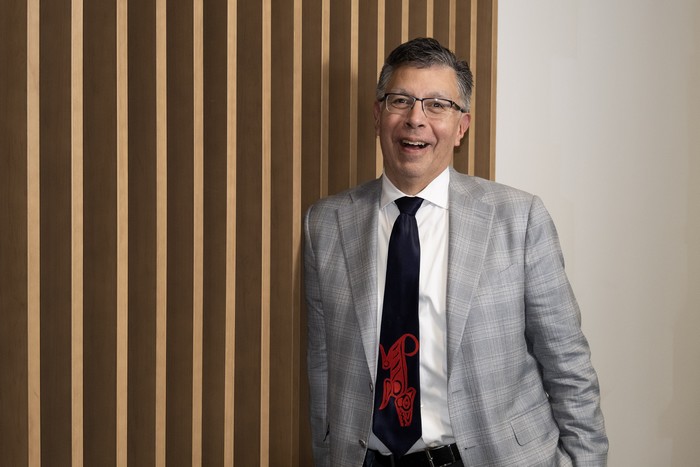
Manager, Funding Services Operations
Indigenous Services Canada
For nearly three decades, Vern Bob has served Indigenous communities with dedication, humility, and a strong sense of purpose. "Before I started, my dad told me, 'You're not going to make everyone happy all the time. Work hard and don't make promises you can't keep,'" Vern recalls. It's advice that continues to guide him.
Since joining ISC in 1995, Vern has led teams of Funding Services Officers who administer funding agreements and support Indigenous communities in making informed decisions. Drawing on his leadership experience as a Scouts Canada leader and lacrosse coach, Vern believes in developing the "little leader" in everyone.
Proud of his Gitxsan and Coast Salish roots, Vern brings his cultural values into his work — embracing patience, connection, and community. He finds joy in traveling to communities, sharing stories, and building relationships that go beyond the office.
Reflecting on ISC's evolving support for cultural diversity, Vern says, "I recall being told my late Granny would be proud her grandson is an Indian Agent and being on the inside gives us an opportunity to make or recommend change as we build a government-to-government relationship." Outside of work, he enjoys family time, his pets — especially his dog Betty — and jokingly notes he's the "premier opera singer" in his family.
March 2026
- March 8: Daylight Savings Time Begins; International Women's Day
- March 17: St. Patrick's Day
- March 20: Spring Equinox; Two-Spirit and Indigenous LGBTQQIA+ Day
April 2026
- April 3: Good Friday
- April 6: Easter Monday
- April 7: World Health Day
- April 10: International Day of Pink
- April 22: Earth Day
Isabelle (Izzy) Foy

Governance Officer
Indigenous Services Canada
Self-identifies as having Indigenous ancestry through her great-grandmother, who was part of a First Nation community in Québec.
Working in the public service is more than a career — it's an opportunity to contribute to meaningful change for Indigenous people, ensuring their voices help shape decisions that promote fairness and cultural safety. Izzy encourages Indigenous people considering this path to "know your value, seek out supportive networks, and stay grounded in your identity."
Since joining ISC in January 2024, Izzy has served as a Governance Officer supporting First Nations elections, Ottawa Trust Fund administration, and other governance-related matters. Her diverse career journey — from private sector, provincial work to Service Canada call centre agent then ISC — strengthened her communication and interpersonal skills, helping her navigate sensitive situations with empathy and professionalism.
Grounded in her cultural values of respect and community, Izzy finds the greatest reward in moments when someone feels truly heard. Outside of work, she enjoys drawing, beading, and spending time with her two beloved cats, Nyla and Vitani.
May 2026
- May 3: Emergency Preparedness Week (3-9)
- May 10: Mother's Day
- May 18: Victoria Day
June 2026
- June 1: National Indigenous History Month (1-30); Pride Season (June-September)
- June 14: National Public Service Week (14-20)
- June 21: National Indigenous Peoples Day; Father's Day; Summer Solstice
- June 23: United Nations Public Service Day
- June 24: Saint-Jean-Baptiste Day (QC)
- June 27: Canadian Multiculturalism Day
Ashley Blom

Manager, Partnerships – West, Consultation and Accommodation Unit
Crown-Indigenous Relations and Northern Affairs Canada
Ashley's public service journey is grounded in advocacy, reconciliation, and creating meaningful change for Indigenous communities. She encourages Indigenous professionals to bring their full selves into the public service: "Your voice matters. Your lived experience strengthens policies, programs, and relationships. Stay true to your values, seek mentors, and don't be afraid to advocate for change.
Before joining the federal public service, Ashley worked to address the overrepresentation of Indigenous peoples in the justice system, serving in youth probation, victim services, and as a Gladue report writer. In each role, she ensured Indigenous perspectives were respected and supported fair, culturally grounded outcomes.
In 2019, Ashley joined ISC's Child and Family Services Directorate and later moved to Correctional Service Canada. Ashley now serves as Manager of Partnerships (West) in the Consultation and Accommodation Unit at Crown-Indigenous Relations and Northern Affairs Canada. As a team leader, she supports federal departments in consultation and accommodation, and co-developing consultation protocols and resource centres with Indigenous partners across Western Canada.
What motivates Ashley most is knowing that even one meaningful connection can help advance a Nation's priorities. "When communities say someone truly helped them — that's when I know the work made a difference."
July 2026
- July 1: Canada Day
August 2026
- August 3: BC Day
- August 9: International Day of the World's Indigenous Peoples
- August 12: International Youth Day
Former Indigenous Students at ISC

Joining the federal public service as a student offers exposure to diverse career paths across Canada and the chance to gain meaningful experience on projects or initiatives that impact the lives of Canadians.
For Indigenous students entering the public service, and later bridging into Term or Indeterminate positions, their journeys carry an even deeper significance. By bringing culture, teachings, and lived experiences into federal workplaces such as ISC, they strengthen culturally informed decision-making and increase Indigenous representation.
These transitions — from student to permanent employee — demonstrate how learning, curiosity, and dedication can shape rewarding careers while uplifting identity. Many Indigenous employees who began as students found mentors, discovered new strengths, and created space for others to follow. Their success inspires current and future Indigenous students to embrace challenges and bring their whole selves to work, helping transform the public service into a more respectful, inclusive and culturally grounded environment.
September 2026
- September 7: Labour Day
- September 10: World Suicide Prevention Day
- September 22: Fall Equinox
- September 30: National day for Truth and Reconciliation; Orange Shirt Day
October 2026
- October 1: 2SLGBTQIA+ History Month (1-31)
- October 4: Fire Prevention Week (4-10)
- October 10: World Mental Health Day
- October 12: Thanksgiving Day
- October 31: Halloween
Gina Coates
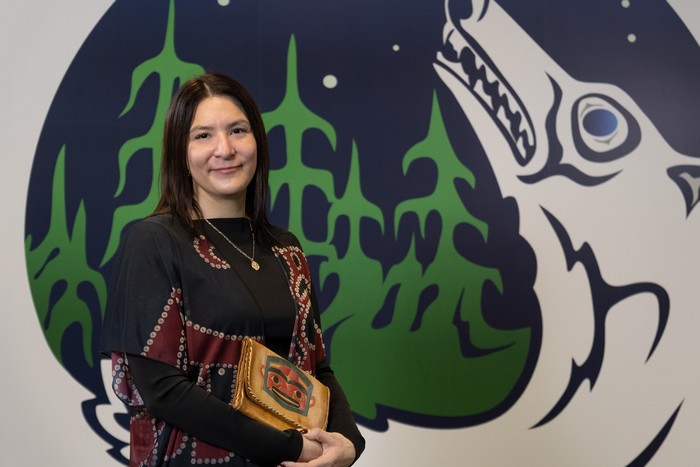
Information Management Officer
Indigenous Services Canada
For Gina Coates, a career in the public service is not only meaningful work — a chance to uplift Indigenous knowledge, strengthen representation, and support lasting change. She encourages Indigenous candidates to pursue opportunities with confidence, noting that the Government of Canada is actively seeking Indigenous voices. "If you aren't successful the first time, revise your application, update your résumé, and try again. Don't give up."
Gina joined ISC three years ago and now supports colleagues as an Information Management (IM) Officer. In this role, she delivers IM services including profiling, classification, and research as well as providing timely and effective GCdocs support, training, and guidance. Her background in customer service and sales, paired with organizational skills and cultural knowledge — including language and history — helps her to serve with patience, respect, and clarity.
Her cultural teachings and upbringing in ceremony guide her approach every day. "I was raised to respect everyone. I carry a cultural code of ethics into my work," she says. Gina appreciates ISC's commitment to cultural diversity and the welcoming environment it fosters.
Outside work, culture remains at the centre of her life. She participates in potlatches and art. As well, she is on a Kwak'wala language revitalization journey. At home, she also cares for her late grandparents' elderly cat, Caesar.
November 2026
- November 1: Daylight Saving Time Ends
- November 8: Aboriginal Veterans Day
- November 11: Remembrance Day
- November 14: World Diabetes Day
- November 20: National Child Day
- November 25: International Day for the Elimination of Violence Against Women
December 2026
- December 6: National Day of Remembrance and Action on Violence Against Women
- December 21: Winter Solstice
- December 24: Christmas Eve
- December 25: Christmas Day
- December 26: Boxing Day
- December 31: New Year's Eve
Jasmine Hurren

Payments Officer & Policy Special Assistant, Jordan's Principle and Inuit Child First Initiative
Indigenous Services Canada
To Jasmine, working in the public service is a meaningful way to advance reconciliation and improve outcomes for First Nations children and families. She encourages Indigenous people to pursue careers in government with confidence in the power of their voices and experiences.
"Our perspectives are grounded in lived realities and community knowledge — they bring strength, truth, and responsibility. We deserve to take up space and help shape systems that serve our people."
Since joining ISC two years ago, Jasmine has dedicated her work to advancing Jordan's Principle policy and funding supports. She manages contribution agreements, reporting, and payments, working closely with partners to ensure services are culturally safe, timely, and responsive to the needs of families. Each successful outcome represents not only a service delivered, but progress on long-term healing and equity.
Jasmine's approach is shaped by community connection, cultural grounding, and lived experience. She sees advocacy as an extension of reconciliation — ensuring children receive the care, support, and opportunities they have always deserved. "When a family finally receives support they've been fighting for, it's a reminder of why this work matters — and why we must continue moving forward, together."
Outside of work, Jasmine finds balance through family, community, and staying active.
January 2027
- January 1: New Year's Day
- January 4: National Ribbon Skirt Day
February 2027
- February 2: Groundhog Day
- February 14: Valentine's Day
- February 15: Family Day (AB, BC, NB, ON, SK)
- February 15: Louis Riel Day (MB)
- February 24: Pink Shirt Day
Jessica Hamilton
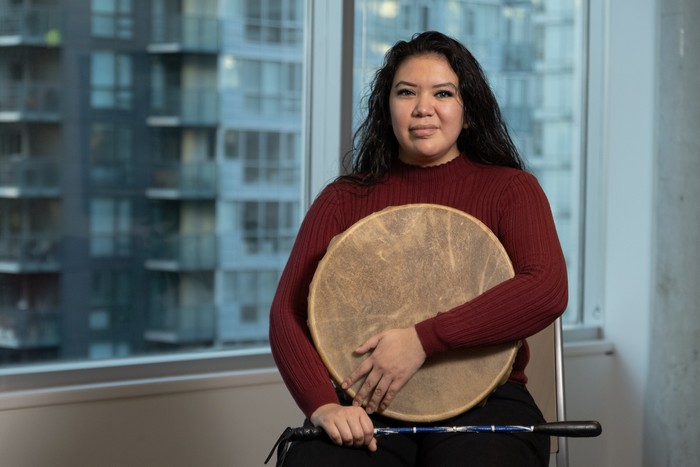
Program Assistant, First Nations Child and Family Services
Indigenous Services Canada
Jessica Hamilton encourages Indigenous people considering the public service to take the leap. "Go for it! I was nervous and didn't know what to expect, and now I absolutely love what I do." Jessica joined ISC in August 2023 after working with the Nisga'a Ts'amiks Vancouver Society in Programs and Services, while also holding part-time roles at Rogers Arena.
As a Program Assistant with First Nations Child and Family Services, she provides essential clerical and regulatory support, helping her colleagues deliver services that directly benefit children, youth, and families. She values the significance of the Directorate's work and feels proud to contribute to positive outcomes for First Nations communities.
Jessica's cultural roots guide her work, giving her a strong sense of responsibility and connection to the communities ISC serves. The theme Honouring the Circle: Staying Connected, Growing Together reflects the relationships, teamwork, and shared purpose she experiences daily.
One moment that affirmed her path was her first day as a practicum student at ISC. Remembering a time she dreamed of working downtown in a professional role, she walked toward the office with a laptop bag and a coffee and told herself, "Girl, you did it!"
Outside work, Jessica enjoys reading, working out, and spending time with her cat.
March 2027
- March 8: International Women's Day
- March 14: Daylight Savings Time Begins
- March 17: St. Patrick's Day
- March 20: Spring Equinox
- March 20: Two-Spirit and Indigenous LGBTQQIA+ Celebration and Awareness Day
- March 26: Good Friday
- March 28: Easter Sunday
- March 29: Easter Monday
- March 31: National Indigenous Languages Day
April 2027
- April 7: World Health Day
- April 12: International Day of Pink
- April 22: Earth Day
Ellen Lisa Barton
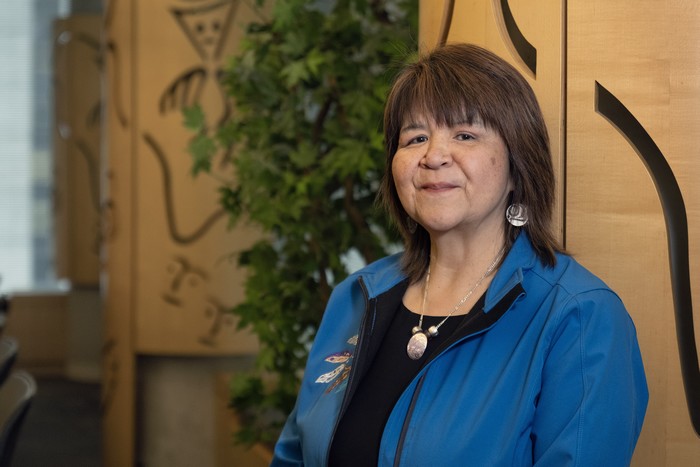
Administrative Assistant, Child and Family Services
Indigenous Services Canada
Education has shaped Ellen's career and commitment to serving Indigenous communities. A proud Nisga'a woman, Ellen graduated from Nisga'a Elementary Secondary School before pursuing post-secondary studies focused on administration and justice. She completed the Native Public Administration Program at Native Education College, followed by a computerized bookkeeping diploma at Burnaby College and Legal Secretarial training at Vancouver Community College. She is currently working toward her Paralegal Certificate, continuing to build her skills and advance her career in the federal public service.
In 2023, Ellen joined ISC, bringing along 14 years of experience with the Department of Justice Canada. In her current role, she supports the Director of Child and Family Services and three managers, coordinating high-priority taskings, managing schedules and travel, assisting with HR needs, and supporting leadership teams across multiple units.
Her education and lived experience — including her perspective as an intergenerational Residential School Survivor — shape her dedication to fostering safe, culturally aware workplaces and improving outcomes for Indigenous children and families. Outside the office, Ellen is a devoted mother who supports her two sons' academic and athletic accomplishments, cherishing time with them and family.
May 2027
- May 2: Emergency Preparedness Week (2-8)
- May 9: Mother's Day
- May 24: Victoria Day
June 2027
- June 1: National Indigenous History Month (1-30)
- June 1: Pride Season (June-September)
- June 13: National Public Service Week (13-19)
- June 20: Father's Day
- June 21: National Indigenous Peoples Day
Eric Mancewich

Program Officer
Indigenous Services Canada
Eric joined ISC in 2021 and currently serves as a Program Officer with the Community Infrastructure Directorate. His responsibilities involve staffing, reception duties and reviewing funding applications from First Nations for infrastructure projects. Before joining the department, he enjoyed a long and successful career as an Operations Team Leader at WestJet Airlines, where he also gained staffing experience. His years in the airline industry taught him the value of teamwork, patience, and service — skills that now help him connect with Indigenous clients and colleagues alike.
These experiences coupled with his work at ISC have been rewarding. "It feels amazing helping our Indigenous communities," he says, encouraging others to consider a career in the public service for the opportunity to make meaningful change.
Proud of his Witset First Nation roots and his Vancouver upbringing, Eric brings warmth and inclusivity to his role. "It's important that ISC supports cultural diversity," he notes. "We want everyone to succeed regardless of background."
Outside of work, Eric plays sports, enjoys travel, as well as spends time with his better half, Martina, and energetic dog, Charley, who keep life lively and full of joy.
July 2027
- July 1: Canada Day
August 2027
- August 2: BC Day
- August 9: International Day of the World's Indigenous Peoples
- August 12: International Youth Day
Cheyenne Gegenfurtner

Administration Assistant
Indigenous Services Canada
Connection and respect are at the heart of Cheyenne's work. Guided by the teaching of All My Relations, she believes that every role — whether a Commissionaire, Custodian, or Regional Director General — is essential to the collective effort of the public service. "Honour each person, regardless of role," she advises Indigenous people considering this career path.
Since joining ISC in October 2023 as an Administrative Assistant, Cheyenne has supported HR staffing actions, tracked timelines, and created Human Resource Service Requests, all while learning new processes like file reviews. With a business diploma and over a decade of customer service experience — including management and supervisory roles — she brings empathy, organization, and a strong work ethic to her role.
Cultural values of respect and courtesy influence Cheyenne's approach to her work every day. She finds purpose in helping Indigenous families heal from the impacts of colonization and believes that "we are all connected and stronger when we grow together."
Outside of work, she enjoys the calming creativity of crocheting.
September 2027
- September 6: Labour Day
- September 10: World Suicide Prevention Day
- September 23: Fall Equinox
- September 30: National Day for Truth and Reconciliation
- September 30: Orange Shirt Day
October 2027
- October 1: 2SLGBTQQIA+ History Month (1-31)
- October 3: Fire Prevention Week (3-9)
- October 10: World Mental Health Day
- October 11: Thanksgiving Day
- October 31: Halloween
BC CANE Members

The Committee for the Advancement of Native Employment (CANE) was established in May 1988 by First Nations, Inuit, and Métis employees in headquarters, with early representation from the BC and Manitoba Regions. Its creation followed a period in which Indigenous employees often felt isolated within the department, despite the 1982 Constitution's recognition of Indigenous rights. CANE emerged to change this reality and to strengthen Indigenous presence, voice, and representation within the federal public service.
From the beginning, BC CANE's purpose was clear: to explore and recommend ways to increase the hiring, retention, and career development of Indigenous employees. That original purpose continues to guide its work today. The members —volunteers who contribute their time, energy, and insight—have played a crucial role in shifting organizational culture and advancing understanding of Indigenous perspectives within the department. Early support from senior management helped establish a strong foundation, with CANE meeting the Deputy Minister only one month after being formalized.
Over 35 years, BC CANE has contributed to significant progress, including the BC CANE Calendar, boardroom renaming initiatives, and the creation of Leylum. As one of ISC's key corporate committees, CANE continues to serve as both the voice and heartbeat of Indigenous employees, fostering a more inclusive, culturally grounded, and representative workplace.
November 2027
- November 7: Daylight Saving Time Ends
- November 8: Aboriginal Veterans Day
- November 11: Remeberance Day
- November 14: World Diabetes Day
- November 20: National Child Day
- November 25: International Day for the Elimination of Violence Against Women
December 2027
- December 6: National Day of Remembrance and Action on Violence Against Women
- December 21: Winter Solstice
- December 24: Christmas Eve
- December 25: Christmas Day
- December 26: Boxing Day
- December 31: New Year's Eve
History of the calendar
The BC CANE issued its first calendar in 2006. Over the years, the calendars have featured the stories, aspirations and advice of more than 100 Indigenous employees. The calendars have also included: messages from Indigenous leaders, recruitment and retention resources, cultural awareness information, and a list of key historical events.
The calendars have been distributed to all First Nations in British Columbia, at libraries, educational institutions, federal and provincial offices, as well as at events such as career fairs, National Indigenous Peoples Day, and Our Gathering with First Nations leadership and government officials.
On the 20th anniversary of the calendar, BC CANE continues to produce it for use as a recruitment tool. The calendar provides the opportunity to feature the stories of new and longtime Indigenous employees, with the aim of inspiring others to join the public service.
This BC Northwest Coast representation of the raven is the symbol of the BC Committee for the Advancement of Native Employment (BC CANE).
Raven is one of the most important beings in northwest coast mythology. The original trickster, transformer, teacher, catalyst and chief spirit, Raven has the power to transform both himself and other beings.